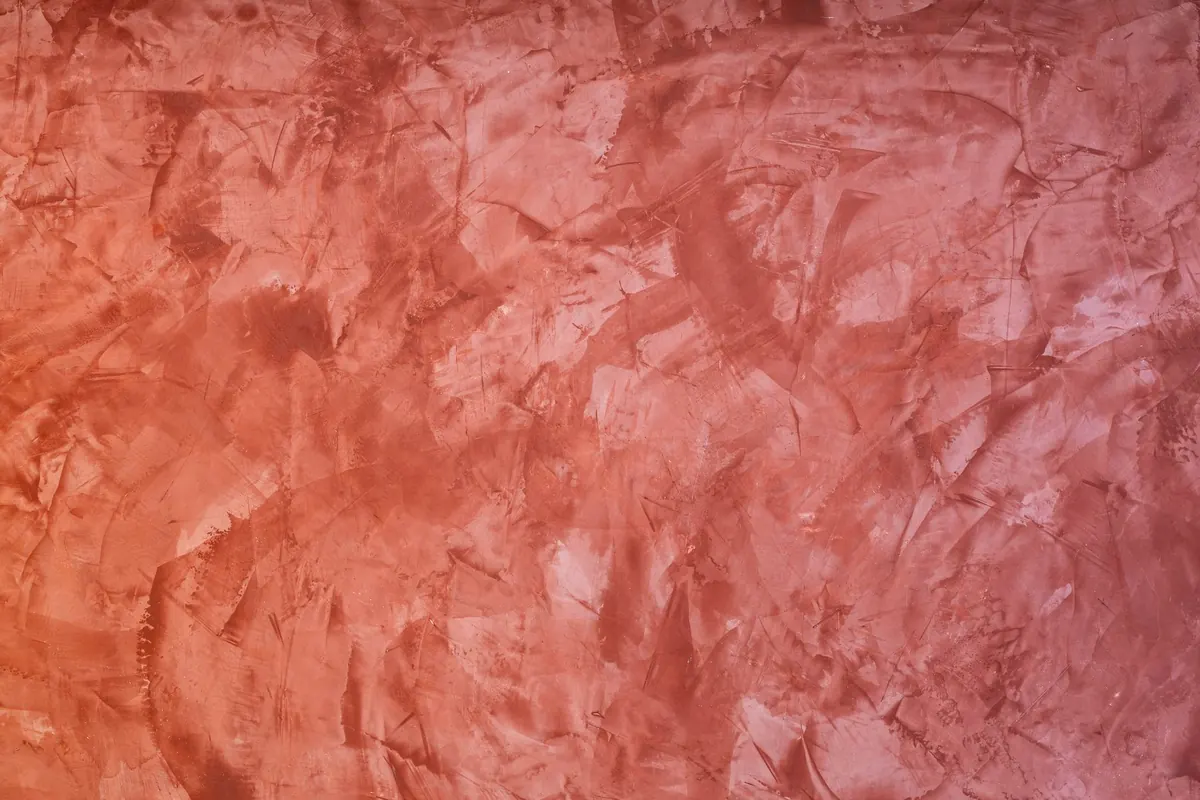
Both finishes are matte. Both come in soft, dusty colours. Both look as though they've been on the wall since before anyone in the house was born. That's where the similarity ends. Limewash is a mineral coating that soaks into masonry and cures. Chalk paint is a decorative paint that sits on the surface and grips. Pick the wrong one and you'll either seal up a wall that needs to breathe or spend a weekend watching your fresh paint scuff every time someone brushes past it with a coat.
Limewash is the older finish by centuries. It's made from lime putty — calcium hydroxide — thinned with water and tinted with mineral pigments. There's no acrylic, no vinyl, no plastic in it at all. Brushed onto a porous mineral surface, it soaks in rather than filming over, then hardens slowly by drawing carbon dioxide out of the air and turning back into calcium carbonate.
The practical upshot is breathability. On a solid-walled cottage with no cavity, moisture needs somewhere to go, and limewash lets it move through the wall instead of trapping it behind a sealed skin. The look is soft, chalky and gently mottled, with the unevenness of the plaster showing through. Colour usually dries lighter than it appears in the bucket, and it keeps settling over the first few weeks.
Chalk paint is a modern water-based paint loaded with calcium carbonate, which is what gives it that flat, velvety finish. Its great talent is adhesion. It grips timber, metal, laminate and old varnish without the sanding and priming that ordinary paint demands, which is why it has become the default choice for furniture, doors, panelling and kitchen cupboards.
On walls it works, but the bare finish is powdery. A shoulder bag, a chair back, a dog's tail — all of them will leave a mark. In low-traffic rooms that's fine. In hallways and stairwells you'll want a protective topcoat, and wax is not the answer on a wall; a clear wall varnish or a durable water-based sealer is. Coverage is much better than limewash, often one or two coats, and the colour you see is close to the colour you get.
Compare the whole job, not the tin. Limewash is usually cheaper per litre, and if you buy lime putty and mix your own with water and pigment it's cheaper still. But it goes on thin. Three, four, even five coats are normal for real depth of colour, and fresh lime plaster will drink the first two without blinking. The materials are inexpensive; the labour isn't.
Chalk paint costs more per litre but covers in fewer coats, and you'll add a sealer to the budget. If you're paying someone by the day, chalk paint is often the cheaper route overall. If you're doing it yourself over a weekend and the wall is masonry, limewash usually wins on materials.
Limewash is the natural partner here and will last for years indoors before it needs refreshing. It doesn't peel or blister, because it isn't a film — it wears by gradually chalking away. Chalk paint on lime plaster will hold, but it sits on top and reduces breathability, and in a damp-prone corner that matters.
Limewash is superb on brick, inside and out. It sinks into the pores, keeps the texture crisp and handles the freeze-thaw cycle far better than a film-forming paint. Chalk paint softens the texture more and gives a flatter, more uniform surface. It's fine on an internal chimney breast; outdoors it's the wrong tool.
Here the tables turn. Limewash on bare timber raises the grain and doesn't bond with the resins in wood. Chalk paint is the better finish for skirting, doors, stair spindles, panelling and furniture — quick to apply, easy to distress, and it takes a topcoat well. For a cottage look, pair chalk-painted joinery with limewashed walls and you get the best of both.
Limewash is forgiving but unhurried. Dust the wall down and scrape off anything flaking. Dampen the surface with a fine water spray so it doesn't pull the moisture out of your mix too fast. Apply thin coats with a wide brush in crossing directions, keeping a wet edge so you don't get lap marks, and let each coat dry before the next. Mix enough for the whole wall in one batch, or the colour will shift between batches. Wear gloves and eye protection — lime is caustic — and ventilate the room.
Chalk paint is quicker: clean the surface, spot-prime any knots or stains, brush or roll two coats, then seal. If you want an aged look, sand the edges lightly and work a second, slightly darker tone into the corners with a dry brush before sealing.
On either finish, paint a test patch about a metre square and live with it for a week. Cottage light changes through the day and a colour that looks chalky and soft at noon can turn grey by five o'clock. If your cottage is listed or in a conservation area, check with your local conservation officer before changing an external finish — some coatings need consent.
One rule covers most cottages. If the wall is masonry — plaster, render, brick, stone — and especially if it's old and solid, limewash is the honest answer. It breathes, it suits the building, and it improves as it weathers. If the surface is timber, or you need colour that covers in a couple of coats without fuss, chalk paint is the right choice.
Where the two meet, they get along beautifully: soft, cloudy limewash on the walls, chalk paint on the joinery, both in colours pulled from the same earthy family. That pairing is hard to get wrong — and it's one of the reasons old cottages feel the way they do.
Photo: Keegan Checks / Pexels
Spot genuine antique cottage furniture by reading the wood, joinery, patina, hardware and price — and learn the...
Choose the right herbs, prep a box that drains properly, and a windowsill can supply fresh leaves all winter — even...
Two pantry-friendly methods — stovetop simmer pots and homemade linen sprays — fill a cottage with warm bakery...

Cozy cottage living, decorating, and inspiration.
