Walk into a cottage that feels right and you can usually name what you're looking at: floorboards with the saw marks still in them, plaster that dips where the wall has settled, a rug that has been walked on for thirty years and shows it. Rustic style is not a colour scheme or a shopping list. It is what happens when a room is put together from materials that age honestly.
Get the materials wrong and you get something else entirely: a room that looks like a film set for a cabin, with faux beams, distressed paint applied on purpose and a ceramic sign about coffee. The difference is rarely budget. It is usually the same eight families of material, used properly and repeated with restraint.
Rustic materials share three traits. First, you can see how they were made: grain, knots, thrown clay, hammered metal, a weave that isn't perfectly even. Second, they are matte or nearly matte. Shine flattens texture and makes a surface look manufactured. Third, they change rather than wear out. Oil on oak darkens, brass goes dull, linen softens, leather creases where people sit. A material that looks worse after five years is not rustic, however it is marketed.
There is also a geographical logic worth borrowing. Cottages were built from whatever lay within carting distance: stone in limestone country, timber in the wooded counties, brick where there was clay. That is why a Cotswold cottage and a New England farmhouse feel related without looking alike. Pick a small palette and let it repeat through the house instead of collecting one of everything.
These carry the structure: floors, walls, frames, hardware.
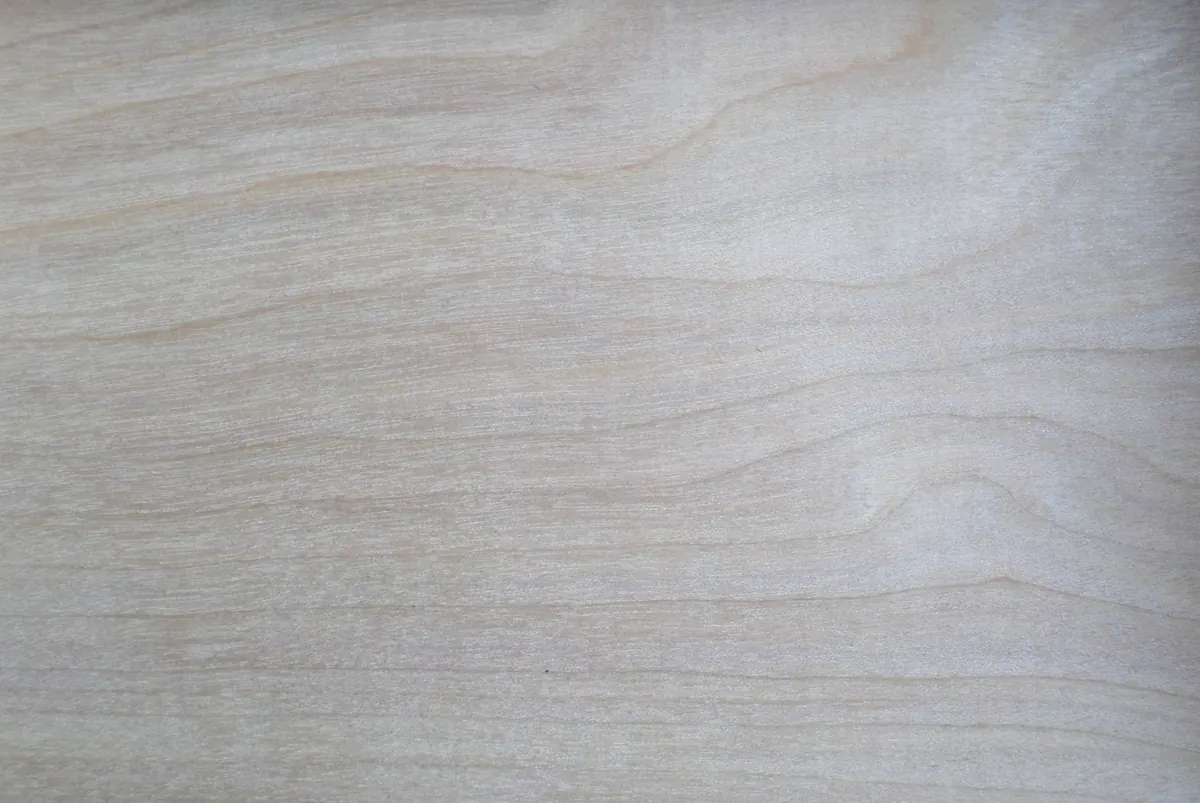
Pine, oak, ash, elm and chestnut are the usual suspects. Reclaimed boards, old beams and simple plank furniture all qualify. What matters is mass and honesty: a thick pine table with a visible joint does more for a room than an ornate piece in veneer. Finish with oil, wax or soap rather than a thick plastic varnish, and let the surface take marks. If you paint, use a flat or eggshell finish in a chalky tone and let the grain show through.
Flagstones, slate, limestone, cobbles and rubble walling. Riven or honed edges, not polished. Stone works as flooring, hearth, threshold, worktop and step — places where you want weight. It is cold underfoot, so plan rugs, and it is noisy. In older buildings stone is often doing structural work; if you are lifting floors or altering a hearth, take advice from someone experienced with period construction before you start.
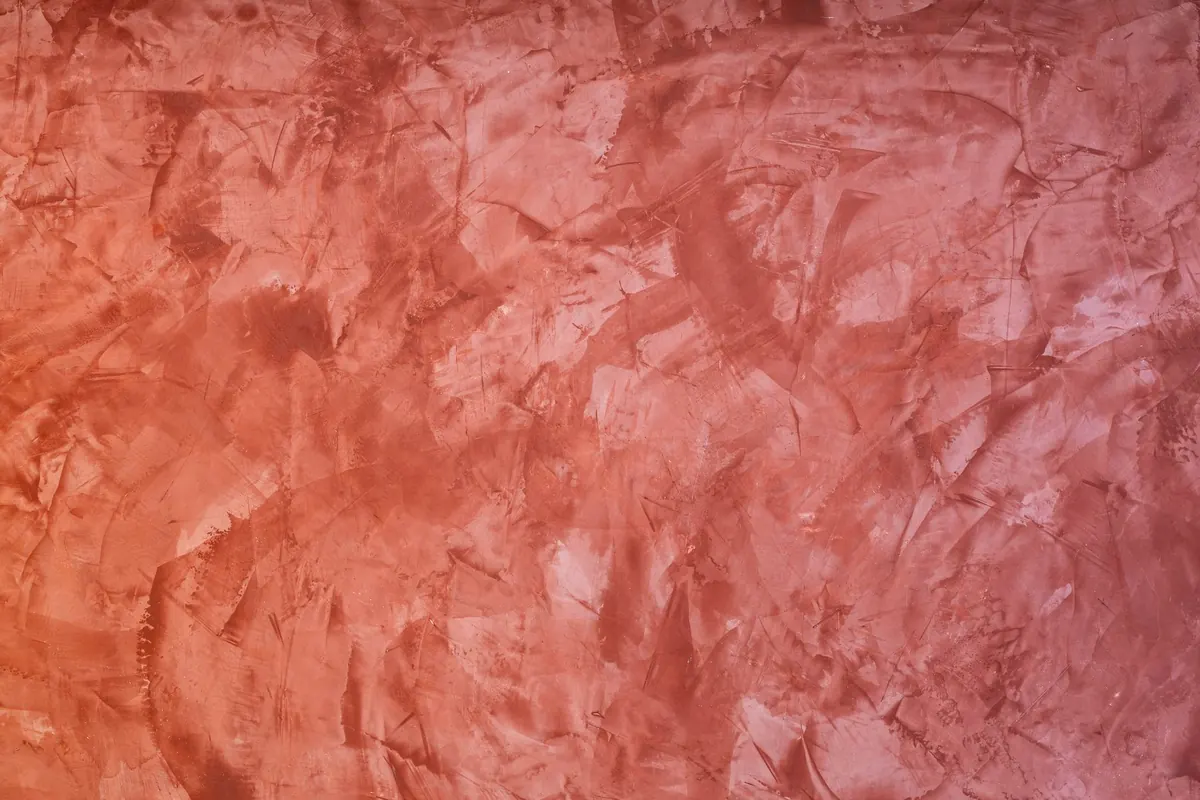
Unglazed terracotta tiles, brick, lime plaster, earthenware pots and bowls. The colour is warm and slightly dusty, and it sits happily with wood and linen. A patch of lime plaster that was repaired last year and doesn't quite match is not a flaw. It is the material behaving as it should. Terracotta floors want sealing in a kitchen, and they chip, which is part of the point.
Wrought iron, blackened steel, unlacquered brass, dull copper, pewter. Handles, hinges, latches, curtain poles, lamp bases, fire irons, a plain iron bed frame. Keep the finish unlacquered so it patinates; lacquer is what makes brass look cheap and keeps it that way. Chrome and brushed nickel are fine in small doses, but a room full of them will fight everything else.
These are what stop a rustic room feeling like a barn.
Slubby, washed, slightly rumpled. Unlined or lightly lined curtains that move, loose covers, plain bedding without a sheen. Heavier weights suit upholstery, lighter ones suit windows. The creases are the texture, so don't iron them flat.
Blankets, throws, flatweave and hand-knotted rugs, upholstery in a coarse weave. Undyed fleece tones — oatmeal, grey, brown — are the easiest to live with and the hardest to get wrong. Wool holds dye unevenly, stays warm and recovers its shape.
Full-grain or top-grain, aniline-dyed, in a matte finish. It scratches, darkens and softens where you sit. Bonded leather and heavily pigmented corrected grain, the shiny uniform stuff, will crack and peel, and it reads as plastic beside wood. One worn leather chair is enough. Two starts to look like a club.
Rattan, willow, rush, seagrass, jute, sisal. Chair seats, baskets, lamp shades, floor coverings, a simple headboard. They are light, inexpensive to replace and carry the same hand-made logic as everything else. Keep them near a door that actually gets used.
The failure mode is easy to describe: too many rustic materials, all at the same visual weight, with motifs piled on top. A few rules keep a room on the right side of the line.
One more test: stand in the doorway and squint. The room should read as two or three tones with a great deal of texture, not a rainbow of browns. If it looks busy, remove the smallest object. Rustic rooms are edited by subtraction more often than by addition.
Begin with what stays: the floor and the largest piece of furniture. Pick one wood tone and commit to it across the room, even if the pieces are different ages. Add one hard material for weight — stone, brick or terracotta. Then add softness: a wool rug, linen at the window, a woven basket by the door. Buy secondhand where you can, since old wood and old metal already carry the patina that new versions fake.
Then live in the room for a month before adding anything else. Rustic style improves with use: the candle wax on the table, the scuff by the door, the chair that has taken the shape of the person who sits in it. You cannot buy that in one trip, and it is the reason these materials are worth choosing in the first place.
Photo: tbee / Pexels
Spot genuine antique cottage furniture by reading the wood, joinery, patina, hardware and price — and learn the...
Choose the right herbs, prep a box that drains properly, and a windowsill can supply fresh leaves all winter — even...

Two pantry-friendly methods — stovetop simmer pots and homemade linen sprays — fill a cottage with warm bakery...

Cozy cottage living, decorating, and inspiration.